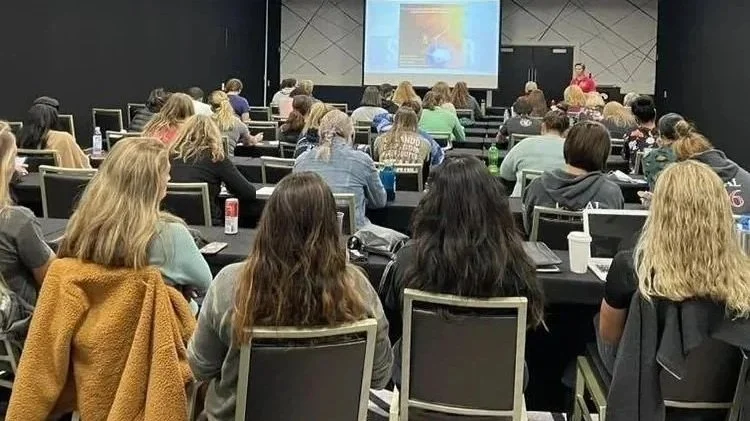
Training adapted to your needs
Contact Us for Pricing
Ready to Dominate the Range?
Complete the form and our team will lock in your session within 24 hours.
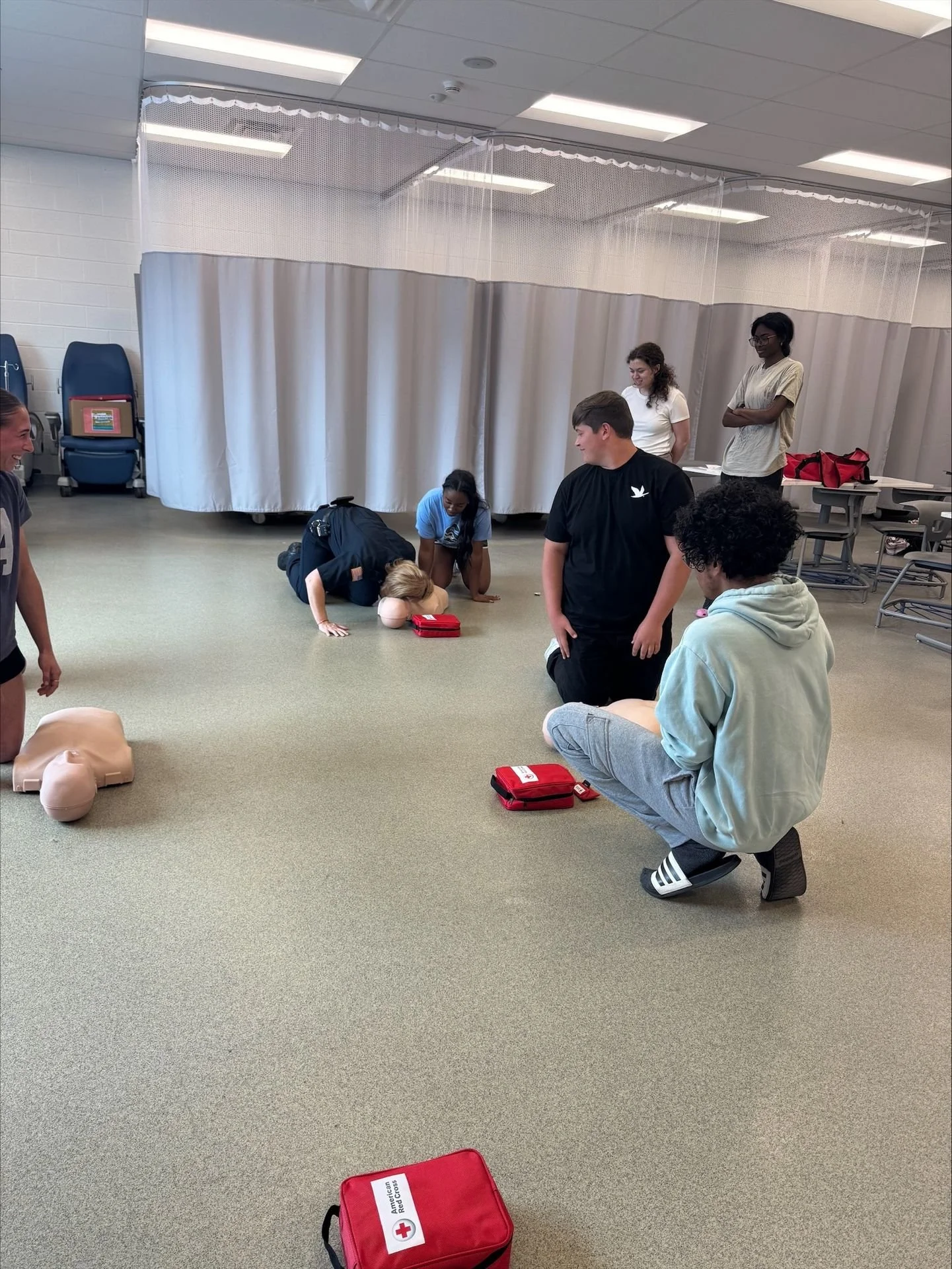
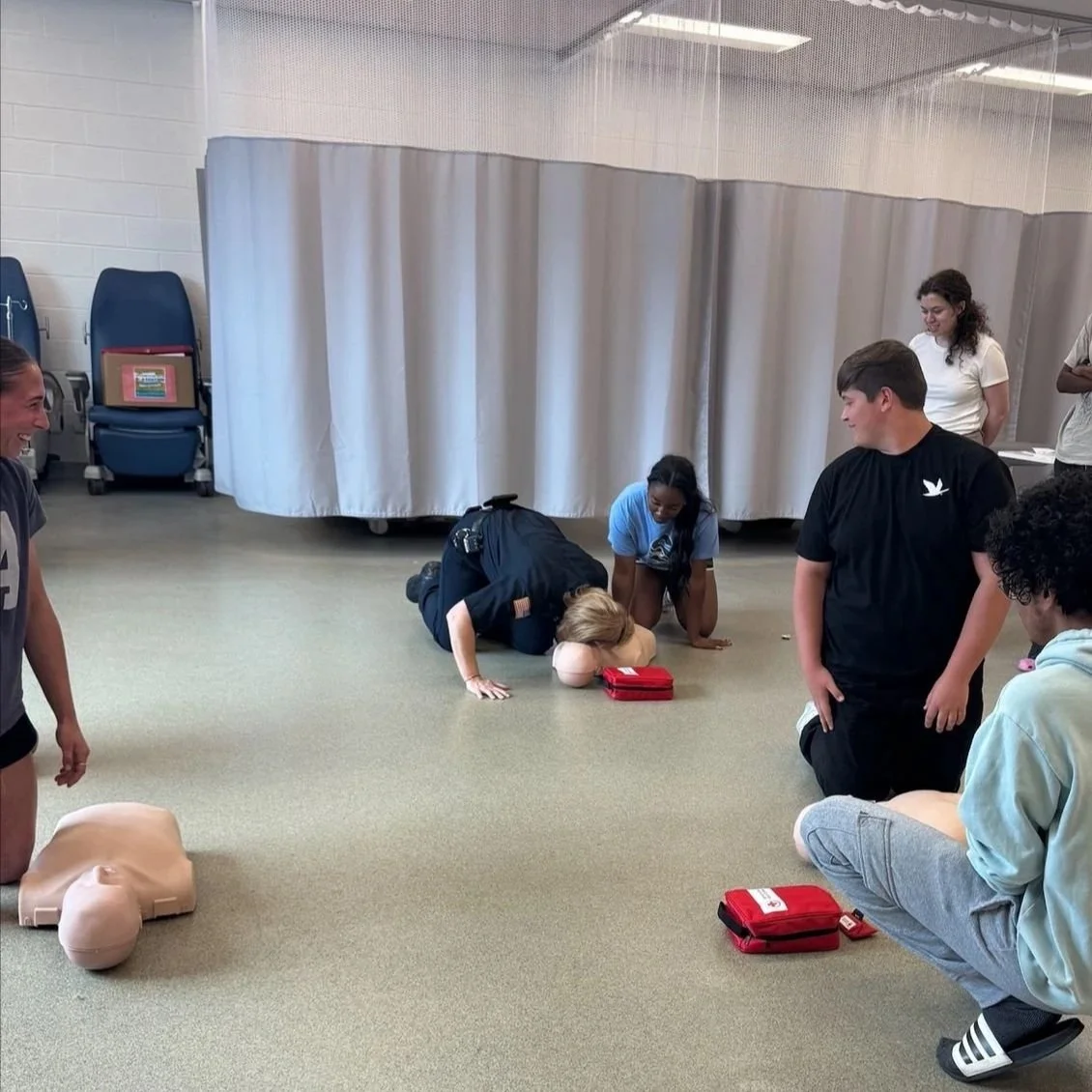
CPR and AED Training provides students with the knowledge and confidence to recognize cardiac emergencies and take immediate action when every second counts. This course covers adult, child, and infant CPR, proper use of an Automated External Defibrillator (AED), and basic choking relief techniques.
Participants will learn how to assess an unresponsive patient, activate emergency response systems, deliver high-quality chest compressions, provide effective rescue breaths when appropriate, and safely operate an AED. The training is designed for workplace teams, schools, community organizations, houses of worship, healthcare support staff, and anyone who wants to be prepared to respond before EMS arrives.
Whether for OSHA compliance, workplace safety programs, or personal preparedness, this hands-on course focuses on practical skills, confidence under pressure, and real-world application—because early intervention saves lives.
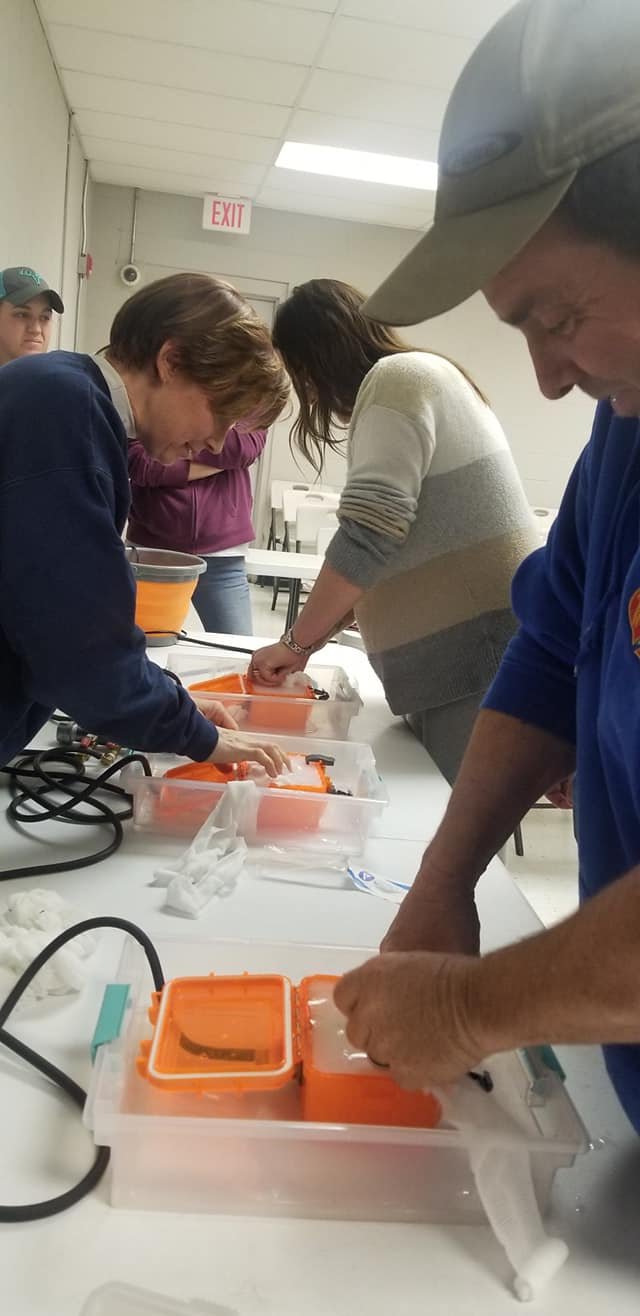
Stop the Bleed Training teaches participants how to recognize life-threatening bleeding and take immediate action before emergency responders arrive. In a severe bleeding emergency, the actions taken in the first few minutes can mean the difference between life and death.
This hands-on course covers bleeding recognition, wound packing, direct pressure, and proper tourniquet application using nationally recognized Stop the Bleed principles. Participants will learn how to respond confidently during traumatic injuries caused by accidents, workplace incidents, motor vehicle crashes, industrial emergencies, or violent events.
Designed for workplaces, schools, houses of worship, community groups, public safety personnel, and everyday citizens, this training focuses on practical skills, rapid intervention, and building confidence under pressure.
Whether for workplace preparedness, emergency response planning, or personal readiness, Stop the Bleed empowers individuals to act quickly and effectively when seconds matter most.
This presentation explores the expanding and increasingly vital role of non-firefighter Emergency Medical Services (EMS) professionals, specifically Emergency Medical Technicians (EMTs), within fireground operations. As the dynamics of emergency response continue to evolve, EMTs are stepping beyond their traditional medical duties to take on new responsibilities that enhance fireground efficiency, safety, and coordination.
The session outlines how EMTs are now actively engaging in fireground strategy, communication, and support efforts alongside firefighting personnel. Emphasis is placed on cross-functional knowledge, collaboration, and proactive safety practices.
Topics Covered Include:
1. Fireground Fundamentals: Introduction to essential fire service terms, equipment, apparatus, hose lines, alarm levels, and basics of building construction relevant to fireground scenarios.
2. Ambulance Response and Scene Placement: Best practices for ambulance arrival, positioning, and operational readiness during fire incidents to ensure efficient medical support without obstructing firefighting operations. After the presentation, attendees will understand the best placement and position for the ambulance during a fire and how they can assist the fire engineer with their response.
3. EMT Size-Up and 360° Assessment: Techniques for EMTs to conduct initial scene assessments (size-up) and a 360-degree evaluation to identify hazards, resource needs, and support situational awareness. After the presentation, attendees will be able to complete a basic size-up when they arrive at a reported fire and what they can look and report to the engine, if they are safely able to complete a 360 of the fire building.
4. Fireground Activities and Safety: A comprehensive overview of typical fireground tasks, EMT support roles, and critical safety protocols to protect both EMS and fire personnel.
5. Firefighter Decontamination (Decon) and Rehabilitation (Rehab): Procedures for setting up and implementing effective Decon and Rehab stations to ensure firefighter health and recovery during and after fireground operations.
This presentation underscores the necessity of integrated response strategies, mutual understanding, and expanded training to empower EMTs as essential assets in modern fireground environments.
In today’s world, there is no question that all first responders, paid or volunteer, must be prepared to respond to active shooter and hostile events (ASHE). These incidents can occur anywhere, at any time, and often unfold rapidly, requiring a coordinated and informed response from all emergency services. While many ASHE programs focus on law enforcement tactics or Rescue Task Force operations, this presentation focuses on the often-overlooked role of the first-arriving engine company and how it can help establish order during a rapidly evolving incident. The program provides practical, no-fluff guidance specifically tailored for fire departments that may not have the resources for extensive ASHE training.
Attendees will receive essential information that empowers them to make informed decisions when responding to these high-risk, dynamic incidents. The course focuses on understanding the firefighter’s role within the Incident Command System, integrating effectively with law enforcement and EMS, establishing and managing a Level II staging area, and supporting unified command. Grounded in lessons learned from real-world after-action reports, FBI studies, NFPA 3000, and Active Shooter Incident Management (ASIM) training, the program explores critical topics including ASHE terminology, incident statistics, response procedures, apparatus placement, resource coordination, and radio communications.
Attendees will also have the opportunity to apply course concepts through interactive scenarios designed to simulate the challenges faced by the first-arriving engine company during an active shooter or hostile event. These exercises focus on response decision-making, staging operations, resource management, team development, and coordination between fire, EMS, and law enforcement personnel.
Designed with respect for limited time and resources, this presentation delivers actionable insights to help first responders initiate conversations within their departments and improve preparedness. The ultimate goal is for attendees to return to their stations equipped to engage in planning, coordination, and future training because when an ASHE incident occurs, every responder must know their role and be ready to act. When the first-due engine company understands its responsibilities and capabilities, it becomes the bridge between disciplines and helps create the conditions necessary for successful rescue operations.
No results match your search. Try removing a few filters.
Complete the form and our team will lock in your session within 24 hours.